
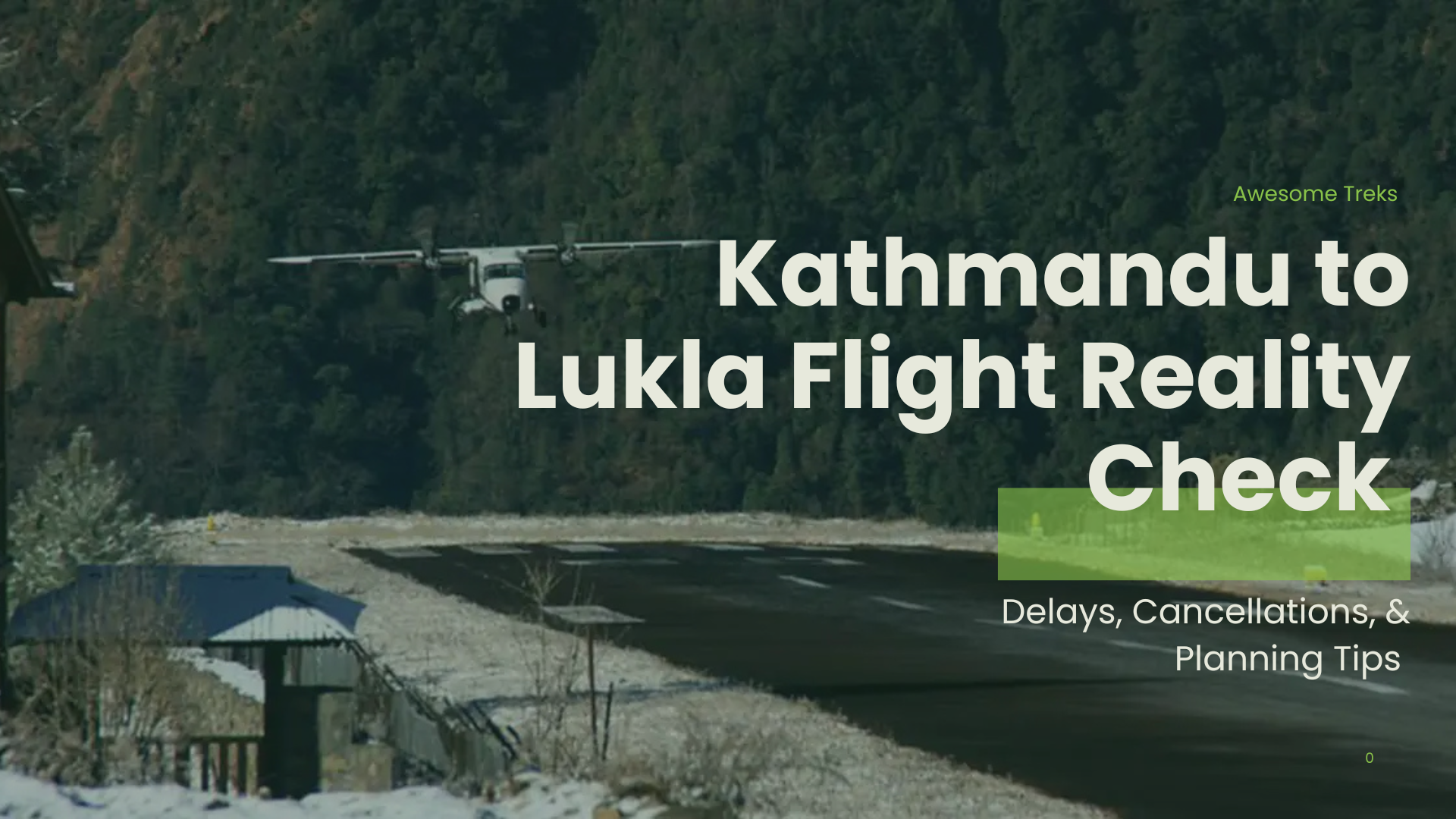
Here is the honest truth: Lukla flights are weather-dependent, unpredictable, and completely normal in Himalayan travel. Understanding how flights to Everest Base Camp actually work and planning around them makes all the difference.This guide breaks down what really happens with Lukla flights, why delays occur, and how trekkers should prepare.
Lukla Flights Are Not Your Regular Flights
Many frustrations come from comparing the Kathmandu to Lukla flight with regular Nepal domestic flights. In reality, the two operate under completely different aviation constraints.
Lukla is a Mountain Airstrip, Not a City Airport
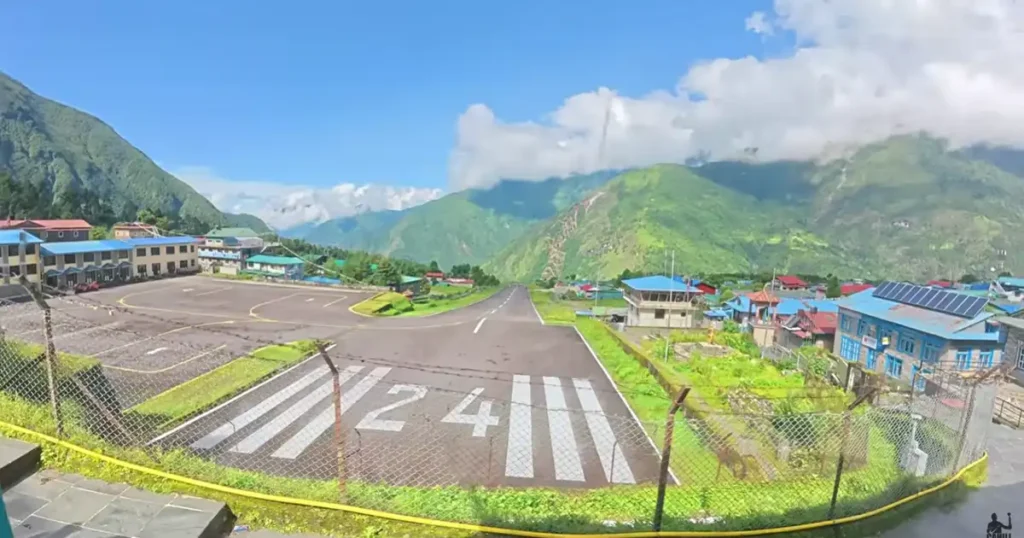
Lukla Airport sits high in the Himalayas at an altitude of around 2,860 m, making Lukla airport altitude one of the key operational challenges. The runway is short, sloped, and surrounded by steep terrain on all sides. Aircraft land uphill and take off downhill, with no parallel runway and no go-around option.
Unlike city airports, Lukla does not have advanced navigation aids, extensive lighting systems, or alternative approach paths. Pilots rely heavily on visibility and precise timing.
At Lukla, safety always comes before schedules.
How Lukla Flight Scheduling Works ?
The Lukla flight schedule is not fixed like city airports. Flights operate based on weather windows rather than exact departure times.
Aircraft fly only when all critical conditions align:
- Clear visibility
- Stable wind conditions
- Suitable cloud cover along the entire mountain route
If any one of these changes, flights pause. This is why the Lukla flight status can change quickly, even when weather looks fine from the ground.
Lukla Flight Delays Explained
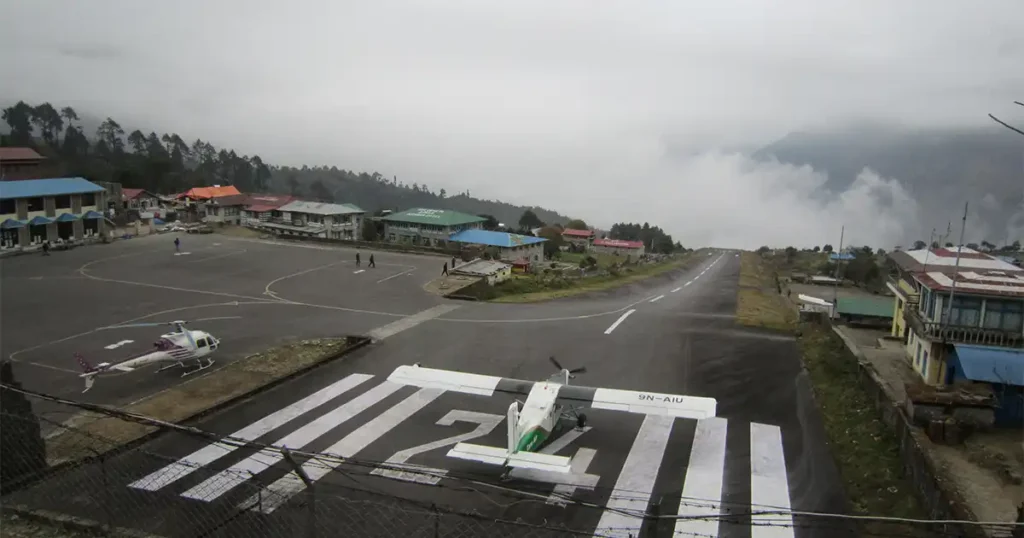
Lukla flight delays are common but usually short. Most delays last one to three hours and simply mean flights are waiting for safe visibility. Full-day cancellations are less frequent, and multi-day disruptions are rare.
Delays occur because Lukla operates under strict safety limits. A short, one-way runway, rapidly changing weather, visibility requirements, and a limited early-morning flying window all affect operations. As the day warms, cloud build-up makes flying unsafe later in the day.
Kathmandu vs Ramechhap Flights
During peak trekking seasons, many Kathmandu to Lukla flights operate instead as Ramechhap to Lukla flights.
This shift reduces congestion and helps manage the high volume of Nepal domestic flights heading into the Everest region. While it involves a longer road journey before flying, once airborne, operations tend to be smoother due to reduced traffic.
This change improves efficiency and safety rather than reflecting disorganisation.
What Happens When a Lukla Flight is Cancelled ?
When a Lukla flight is cancelled, a clear process follows. Knowing who controls what helps avoid confusion during waiting days.
Rebooking and Priority
Cancelled passengers are not automatically placed on the next flight. Rebooking depends on:
- Original ticket time
- Airline availability
- Weather windows
There is no guaranteed same-day solution.
Airlines vs Trekking Companies
Airlines control all aviation decisions, including cancellations, flight timing, and boarding priority. Trekking companies manage ground logistics, accommodation, schedules, and communication, but cannot override airline decisions. This separation exists for safety and is standard in mountain aviation.
Why Same-Day Rebooking is Limited
Even if weather improves later, rebooking is often restricted by limited aircraft and backlogs from earlier cancellations. In mountain aviation, visible improvement does not always mean flights can resume immediately.
Buffer Days: The Most Important Part of Planning
A buffer day is an extra day added to your itinerary with no fixed plans. It exists purely to absorb delays caused by weather, especially Lukla flight disruptions.
Including buffer days reduces stress when flights are delayed or rescheduled. Ideally, one buffer day should be placed before the trek starts and another after returning from Lukla.
These extra days protect your international flights, help avoid unexpected costs, and allow the journey to unfold without panic or rushed decisions.
Helicopter Options: Expectations vs Reality
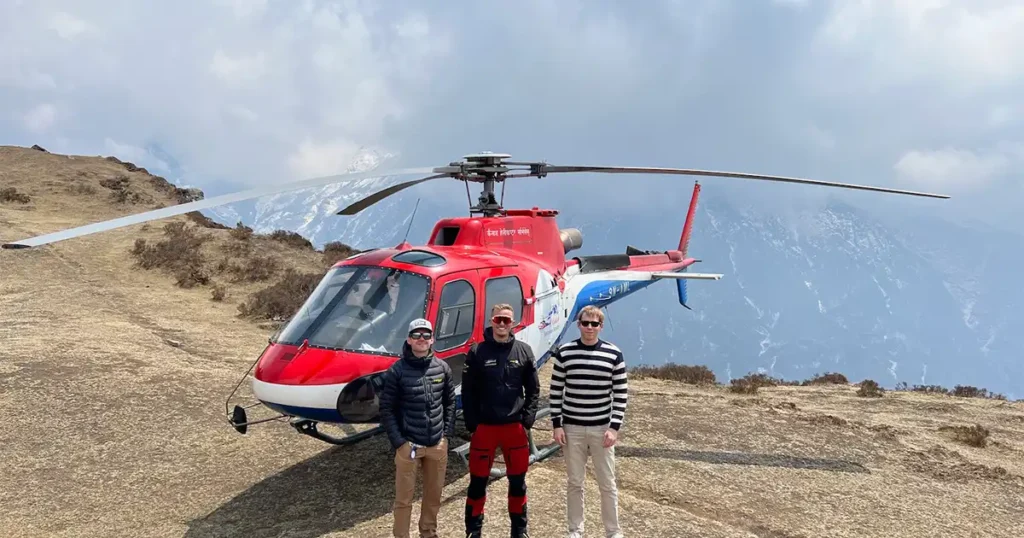
Helicopters can sometimes operate when regular flights are delayed, but they still depend on visibility and wind conditions. They are not immune to weather and cannot fly safely in poor conditions.
Shared helicopter flights can reduce costs, but they rely on matching schedules with other travellers. Private charters offer more flexibility, though they remain fully weather-dependent.
Helicopters should be seen as a premium option rather than a guaranteed backup. When conditions are unsafe, helicopters do not fly either.
How Experienced Trekking Companies Handle Lukla Delays ?
Experienced trekking companies, such as Awesome Holidays Nepal, approach Lukla delays with preparation rather than reaction. Here’s how:
- They book flights early to improve queue position and reduce last-minute uncertainty. This helps manage delays more effectively during busy seasons.
- They maintain constant coordination with airlines, airport staff, and pilots to stay updated on changing conditions and flight availability.
- Clear and honest communication with guests during waiting days is crucial. Regular updates help reduce frustration far more than unrealistic promises.
- Most importantly, experienced operators plan backup options while staying realistic. They prepare for change, but never promise what weather and mountains ultimately control.
What Trekkers Can Do to Reduce Stress ?
A calm trek starts with the right expectations before you ever lace up your boots. The Everest region runs on weather, terrain, and safety; not fixed schedules. With that in mind:
- Accept that Lukla flight delays are normal
- Choose Nepal travel insurance that covers delays and helicopter evacuation
- Keep your plans flexible and avoid tight onward connections.
- Stay patient. The Himalayas move on their own timeline.
Best Seasons for Lukla Flights
Some seasons offer better flying conditions than others, but Lukla flights are never fully predictable.
Spring (March to May) and autumn (September to November) generally provide clearer skies and better visibility, though high trekking demand can still cause delays during busy mornings.
During monsoon and winter months, cancellations are more frequent due to cloud cover, snowfall, and reduced visibility.
Even in the best seasons, no time of year guarantees smooth Lukla flights. Weather and safety always take priority over schedules.
Lukla Flights and Safety: Clearing Common Myths
Lukla flight cancellations are safety decisions, not signs of inefficiency or poor planning. Aviation rules in the Himalayas are deliberately strict, and flights only operate when conditions meet clear safety thresholds.
Pilots make go or no-go decisions based on visibility, wind conditions, cloud cover, and the safety of the entire flight path. These calls are guided by established aviation regulations, not guesswork or pressure to maintain schedules.
In mountain environments, waiting is often the safer choice. When conditions are marginal, delaying a flight reduces risk and ensures that passengers, crew, and aircraft are not exposed to unnecessary danger.
Lukla Flights Are Part of the Everest Experience
Lukla flights are unpredictable by nature. Delays are not signs of poor planning, but part of responsible mountain aviation.
With buffer days, flexible expectations, and realistic planning, these disruptions fade into the background.
Consider the delay your unofficial first acclimatisation day.
FAQs
Why are Lukla flights delayed or cancelled so frequently?
Because Lukla sits in the mountains where weather changes fast, and flights only operate when visibility is fully safe. A clear sky in Kathmandu does not mean clear conditions at Lukla.
How often do Lukla flights get cancelled during peak trekking seasons?
Even in peak season, cancellations happen. Some weeks run smoothly, others lose several mornings in a row. Peak season lowers the risk, it never removes it.
Which months have the highest risk of Lukla flight cancellations?
Monsoon months (June to early September) and winter (late December to February) see the most disruption. Shoulder weeks can also be unpredictable.
What time of day is best for flying from Kathmandu or Ramechhap to Lukla?
Early morning. That is when mountain weather is usually calmest and visibility is best. Later in the day, clouds tend to build fast.
Why are most Lukla flights scheduled for early morning only?
It is not convenience, it is safety. Conditions are most stable at first light, and pilots need clear visual routes through the valleys.
What weather conditions cause Lukla Airport to close?
Low cloud, fog, rain along the route, strong winds, or snow. Even if Lukla looks clear, bad weather between airports can stop flights.
Are Lukla flights operated under VFR or IFR rules?
Lukla flights operate under VFR (Visual Flight Rules). Pilots must see the route clearly, which is why cloud cover matters so much.
Can helicopters fly to Lukla when planes are grounded?
Sometimes. Helicopters can work in slightly tighter conditions, but they still need safe visibility. When weather is fully closed, helicopters stop too.
How reliable is a helicopter backup for Lukla flight cancellations?
Useful, but never guaranteed. Demand spikes during disruptions, prices rise, and seats sell fast. It is an option, not a promise.
How many buffer days should I plan for Lukla flight delays?
At least two buffer days. More if your schedule is tight or your international flight is fixed.
What should I do first if my Lukla flight is cancelled in Kathmandu?
Confirm rebooking priority, secure accommodation early, and keep mornings free. Flights often resume suddenly when a weather window opens.
What should I do if my Lukla flight is cancelled in Ramechhap (Manthali)?
Confirm your place in the queue, then sort basics early. Facilities are limited, so acting fast makes the wait easier.
Why are Lukla flights sometimes shifted from Kathmandu to Ramechhap?
To reduce congestion at Kathmandu Airport during busy seasons. It is an operational decision, not a safety downgrade.
How do I get from Kathmandu to Ramechhap Airport for Lukla flights?
Usually by shared tourist vehicle or private jeep, often leaving very early. Most trekking companies arrange this for you.
How long do Lukla flight delays usually last?
Anything from a few hours to several days. Weather patterns, not schedules, decide the timeline.
Will travel insurance cover Lukla flight delays or cancellations?
Some policies do, some do not. It depends on your coverage and delay clauses, especially for weather-related disruption.
What extra costs should I budget for Lukla flight disruptions?
Extra nights, meals, transport changes, and possible helicopter upgrades. Helicopters are usually the biggest unexpected cost.
How can I check Lukla flight status and weather updates in real time?
Airline updates and trekking operators give the most realistic picture. Online weather often looks better than actual flight conditions.
What happens to my baggage if my Lukla flight is cancelled?
It usually stays with the airline until you fly. Keep essentials in your daypack so delays do not become uncomfortable.
Can group members be split across different Lukla flights?
Yes, especially during backlogs. Airlines allocate seats based on availability and weight limits.
What are the baggage weight limits on Lukla flights?
Strict. Small aircraft mean tight limits for safety. Packing light helps more than people realise.
How do Lukla flight delays affect Everest Base Camp trek itineraries?
Delays can compress schedules or remove rest days. Good itineraries include buffer days to protect acclimatisation.
What are the best alternatives if Lukla flights stop for several days?
Waiting it out, taking a helicopter if available, or switching to an overland route. The best choice depends on time, budget, and fitness.
Is it safer to plan an overland route instead of flying to Lukla?
It avoids flight risk but adds road uncertainty and extra days. Safer depends on what kind of uncertainty you prefer.
How should I plan my international return flight to avoid missing it due to Lukla delays?
Add buffer days before flying home. The safest plan assumes at least one delay will happen.