
So… is Langtang trek good for beginners?
If this is your first Himalayan plan and you are torn between Everest, Annapurna, or something quieter, Langtang sits in a sweet spot. It gives you glaciers, dramatic valley views, monasteries, and real altitude but without overwhelming logistics or extreme exposure.
It is not “easy.” But it is approachable. And that difference matters.
Let’s walk through it properly not as a checklist, but as a real first-timer conversation.
What You Should Expect on Langtang Trek ?
When people search “what to expect on Langtang trek first time”, they usually imagine either a casual hill walk… or a brutal mountaineering expedition.
The truth sits in the middle.
You will walk about 5–7 hours per day. Some days feel smooth and steady through forest. Others climb gradually into alpine terrain. The trail is not technical, but it is consistent. You will feel your legs working.
By the time you reach Kyanjin Gompa (3,870 m), you will feel the altitude. Not necessarily sick — but aware. Breathing changes. Stairs feel heavier. Sleep can be lighter.
That is normal.
The real answer to “how hard is Langtang trek for first time?” is this:
It is physically moderate.
It is mentally rewarding.
It becomes difficult only if you rush it.
The Biggest Challenge: Altitude, Not Terrain
Many first-timers assume distance is the problem. It rarely is. The real factor in Langtang valley trek altitude sickness risk is how quickly you ascend and how your body reacts. Headache, nausea, dizziness, unusual fatigue these are signals, not obstacles to push through.
If you get a headache at altitude:
- Stop ascending.
- Rest.
- Hydrate.
- Do not climb higher that day.
- Descend if symptoms worsen.
Never continue upward if symptoms are intensifying. Slowing down reduces risk dramatically. Adding an acclimatisation day in Kyanjin is one of the smartest beginner adjustments.
Langtang rewards patience.
Is Langtang Trek Good for Beginners?
Langtang works beautifully for:
- First-time Himalayan trekkers
- Active travellers who exercise regularly
- People who want a 7–9 day trekking window
- Those who prefer quieter trails over Everest crowds
If you want a full route overview, see the complete Langtang Valley Trek itinerary.
It may not suit you if you dislike cold weather, uphill walking, or basic accommodation.
Because yes, accommodation is simple.
Tea Houses: What Beginners Should Really Expect ?
There are tea houses throughout the main Langtang route.
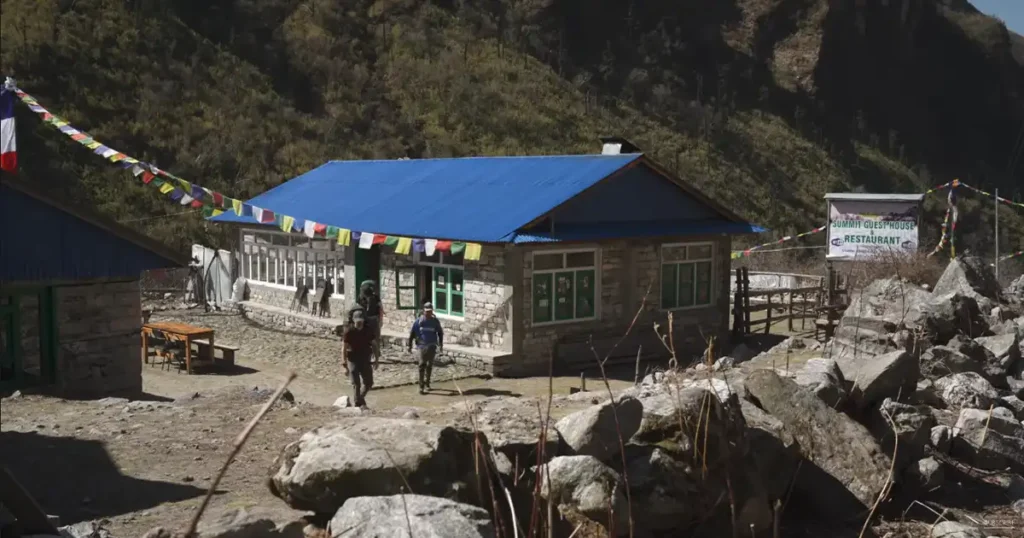
Rooms are basic twin-share lodges. Bathrooms are usually shared. Dining halls are warm and social. Expect simple mountain meals: dal bhat, noodles, fried rice, soups, pancakes. It is comfortable, not luxury. And that simplicity becomes part of the charm.
If you want deeper practical preparation advice, read Things to Know Before the Langtang Valley Trek.
Permits Needed for Langtang Trek
To trek in Langtang National Park, you need:
- Langtang National Park Entry Permit
- TIMS (depending on current NTB provisions)
Fees differ for foreign nationals and SAARC nationals. Permits can be arranged in Kathmandu or at entry points.
Always verify current regulations before travel.
A Sensible Langtang Trek Itinerary for Beginners
A comfortable langtang trek itinerary beginner plan usually looks like this:
Day 1: Drive to Syabrubesi
Day 2: Trek to Lama Hotel
Day 3: Trek to Langtang Village
Day 4: Trek to Kyanjin Gompa
Day 5: Acclimatisation / hike to Kyanjin Ri
Day 6–7: Return
Seven trekking days works well. Eight or nine is even better if you want comfort over speed.
Adding a rest day is not weakness, it is strategy.
Kyanjin Ri or Tserko Ri, Which is Better for Beginners?
Both viewpoints are optional.
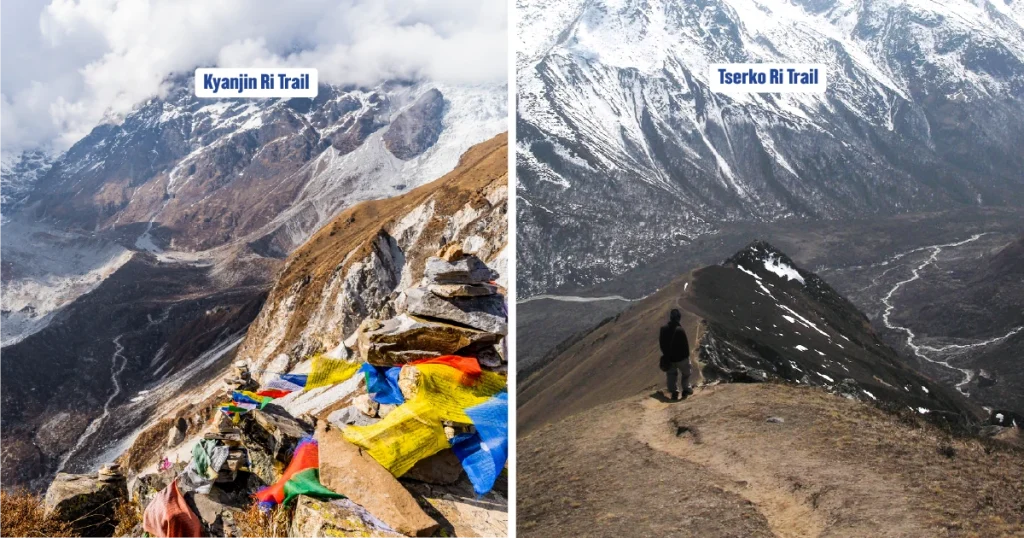
Kyanjin Ri is shorter and steeper, making it more manageable for first-timers.
Tserko Ri is higher and longer. It demands stronger stamina and better acclimatisation.
For a full comparison, see Kyanjin Ri vs Tserko Ri.
If this is your first Himalayan summit-style push, Kyanjin Ri is usually the wiser choice.
Common Langtang Trek Mistakes First Timers Make
Overpacking is number one.
Second? Wearing brand new boots.
Third? Underestimating cold evenings.
A smart Langtang trek packing list for beginners includes:
- Broken-in trekking boots
- Trekking poles (highly recommended)
- Down jacket
- Waterproof shell
- Layered clothing system
- Water purification
- Headlamp
- Enough cash (ATMs are unreliable on trail)
Do not pack for Instagram. Pack for warmth and practicality.
Understanding Langtang’s Weather Before You Go
Langtang is very doable but the mountains don’t adjust to comfort levels. A little planning makes a big difference.
How Cold Does It Feel?
Higher villages regularly drop below 0°C at night in spring and autumn. Winter is colder. Rooms are unheated. Your warmth depends on:
- Your layers
- Your sleeping bag
- Your discipline in staying dry
Cold feels manageable when you are prepared.
Best Season for New Trekkers
The langtang trek best season for new trekkers is spring (March–May) and autumn (September–November).
Clear skies. Stable conditions. Better visibility.
Monsoon brings slippery trails and cloud cover. Winter brings snow and colder mornings. Beginners can trek in winter, but preparation must match conditions.
See a detailed seasonal breakdown here:
Best Time for Langtang Valley Trek
Do Beginners Need a Guide?
This is not about legality, it is about comfort.
If you:
- Prefer navigation support
- Want altitude monitoring
- Value cultural insight
- Feel unsure in mountain environments
A guide reduces stress significantly. If you are confident, experienced in multi-day hiking, and comfortable reading terrain, independent trekking may suit you.
The decision is personal, not a badge of honour.
Wildlife & Nature You Will Experience
Inside Langtang National Park, the scenery shifts from forest to alpine valley. In spring, rhododendrons bloom. Yaks graze in high pastures. Birdlife is active.
Red pandas exist here, sightings are rare but possible.
Langtang feels wild, yet accessible.
The 2015 Earthquake, What You Should Know Today
Langtang Valley was deeply affected in 2015. Villages and infrastructure have since been rebuilt. Trails are operational. Tea houses are functioning.
For full context, read:
Aftermath of Nepal Earthquake on Langtang Valley
Visitors today support local communities directly.
Insurance, Cash & Connectivity
First-time trekkers should check:
- Does insurance cover trekking up to 5,000 m?
- Is helicopter evacuation included?
- Is altitude illness covered?
Carry sufficient cash for meals and charging. Wi-Fi and electricity are available in many tea houses, but not guaranteed. Its wise to plan ahead for limited connectivity.
Is Langtang Trek Suitable for Beginners?
Yes, if you respect altitude, pace yourself, and prepare properly.
It is challenging enough to feel like a real Himalayan achievement.
It is structured enough to remain manageable.
It is scenic enough to inspire future treks.
For many first-timers, Langtang becomes the gateway into Nepal’s mountains. And often, it becomes the beginning of something bigger.
FAQs
Is Langtang Trek suitable for beginners?
Yes. Langtang is one of the strongest first Himalayan treks if you pace properly and respect altitude. It is challenging but manageable with preparation.
How difficult is Langtang Trek for a first-time trekker?
It is considered moderate. The terrain is not technical, but daily walking and altitude make it physically demanding. Most beginners handle it well with steady pacing.
What is the biggest challenge on Langtang for beginners: altitude, distance, or terrain?
Altitude is the main factor. Distance and terrain are manageable, but ascending too quickly can create problems.
Do I need prior trekking experience for Langtang?
No prior Himalayan trekking is required. However, having experience with multi-day hikes helps with comfort and endurance.
What fitness level is recommended for Langtang first-timers?
You should be able to walk 5–7 hours a day with uphill sections. Basic cardiovascular fitness and leg strength are enough.
How many hours per day do you typically walk on Langtang?
Usually 5–7 hours per day, depending on itinerary and pace.
What are the main signs of altitude illness to watch for?
Headache, nausea, dizziness, unusual fatigue, loss of appetite, and disturbed sleep.
What should I do if I get a headache or nausea at altitude?
Stop ascending. Rest and hydrate. Do not go higher that day. Seek help if symptoms persist. Descend if symptoms worsen.
Can beginners reduce altitude risk by going slower?
Yes. A gradual ascent and adding an acclimatisation day significantly reduce risk.
Is it safe to continue ascending if symptoms are getting worse?
No. Worsening symptoms require descent.
What permits are required for trekking in Langtang National Park?
You need a Langtang National Park Entry Permit and, depending on current regulations, a TIMS card.
What is the Langtang National Park entry fee for foreigners and SAARC nationals?
Fees differ for foreign nationals and SAARC citizens. Rates are subject to revision, so check current figures before travel.
Where can you obtain permits?
Permits can be arranged in Kathmandu or at designated entry points near the trailhead.
Is a TIMS card required?
TIMS requirements depend on updated Nepal Tourism Board provisions. Always verify current regulations before trekking.
Do first-time trekkers need a guide for Langtang?
Not mandatory for everyone, but beginners often benefit from a guide for navigation, altitude monitoring, and local insight. It depends on your confidence and experience level.
Are tea houses available throughout the main Langtang route?
Yes. Tea houses operate along the main trekking corridor.
What kind of accommodation should beginners expect?
Basic twin-share rooms in local lodges. Shared bathrooms are common.
What food is typically available in tea houses?
Dal bhat, noodles, fried rice, soups, pancakes, tea and coffee. Meals are simple and energy-focused.
Should beginners carry water purification?
Yes. Tablets or a portable filter are recommended.
What are the most common first-timer packing mistakes?
Overpacking, wearing new boots, underestimating cold evenings, and not carrying enough cash.
Do I need trekking poles for Langtang?
Highly recommended. They reduce strain on knees during descents.
What footwear works best for beginners?
Broken-in trekking boots or sturdy hiking shoes with good grip. Never use brand new footwear.
How cold can it feel at higher villages and viewpoints?
Nights often drop below 0°C in spring and autumn. Layering is essential: base layer, mid-layer, insulation, and shell.
What is the best time of year for beginners?
Spring (March–May) and autumn (September–November) offer the most stable conditions.
How does monsoon affect trail conditions?
Trails become slippery, cloud cover limits views, and leeches appear in lower forests.
Can beginners do Langtang in winter?
Yes, but expect colder temperatures, possible snow at higher elevations, and fewer trekkers.
How much cash should beginners bring?
Bring enough cash for meals, charging, and small purchases, as ATMs are not reliably available on the trail.
Are charging and WiFi always available?
Available in many tea houses but not guaranteed. Charging may incur a small fee.
What travel insurance should first-time trekkers consider?
Ensure coverage up to at least 5,000 m altitude and include emergency evacuation.
What is a sensible beginner itinerary length?
7–9 trekking days is comfortable. Rushing increases altitude risk.
Should beginners add a rest/acclimatisation day?
Yes. Adding one acclimatisation day improves safety and comfort.
Which is easier: Kyanjin Ri or Tserko Ri?
Kyanjin Ri is shorter and generally easier. Tserko Ri is higher and more demanding.
See comparison:
https://awesomeholidaysnepal.com/blog/kyanjin-ri-vs-tserko-ri/
What wildlife and nature can trekkers expect?
Rhododendron forests, alpine landscapes, yaks, Himalayan birdlife, and rare species like red panda inside Langtang National Park.
How did the 2015 earthquake affect Langtang?
The region was heavily impacted but has since rebuilt infrastructure and lodges.
Read more:
https://awesomeholidaysnepal.com/blog/aftermath-of-nepal-earthquake-on-langtang-valley/
What should beginners do if weather delays occur?
Add buffer days to your schedule and avoid tight international flight connections. Mountain weather can shift quickly.